
Time of shopping when you'll get to Florence. There are not only art, churches and exhibitions. Out of Florence, about 30 minutes by car or bus there is THE MALL ( www.themall.it ) where you could find stores of Gucci,Ferragamo,Sergio Rossi, Valentino,Tod's,Bottega Veneta, Ermenegildo Zegna and many many others.
The Mall is situated in the green Tuscan hills.
From Florence: Take the A1 motorway towards Florence/Rome and take the exit marked Incisa. Stay on the right towards Pontassieve until reaching Leccio. Soon after passing the center of Leccio, The Mall will be on the left.
From Rome: Take the A1 motorway towards Florence and take the exit marked Incisa. Stay on the right towards Pontassieve until reaching Leccio. Soon after
passing the center of Leccio, The Mall will be on the left.
BY TRAIN
Take the train from Florence’s Santa Maria Novella station to Rignano sull'Arno and continue by taxi (about 5 min) to Leccio.
SHUTTLE BUS SERVICE
There is a daily service from Florence, from the train station of Santa Maria Novella to and from The Mall. For information and reservations please contact the information center. Hotel Mario's is only 3 min. walking from the bus shuttle station to THE MALL, very easy to go and to come back. Contact our staff to get information : info@hotelmarios.com
ADDRESS
Via Europa 8, Leccio, Reggello 50060, Florence, Italy
INFORMATION CENTER
tel +39.055.8657775 (Mon-Fri 9am-6pm)
fax +39.055.8657801
OPENING HOURS
Monday-Saturday all day.
Sunday afternoon.
Visualizzazione post con etichetta hotel. Mostra tutti i post
Visualizzazione post con etichetta hotel. Mostra tutti i post
domenica 9 maggio 2010


mercoledì 28 aprile 2010
Florence white night 2010, April 30th

We are all waiting for you here in Florence to spend a night...al night long. Stay at Hotel Mario's, here in the centre of Florence, close to the train station. With an easy walk you'll be everywhere, enjoy a very special night. Our contact is info@hotelmarios.com, we still have some available rooms.
This is the program :
Late night museum openings on April 30
The following museums will be open with extended hours:
Palazzo Vecchio open until 6am. With various events and performances.
Palazzo Strozzi open until 5am. Go see the very psychological exhibit on De Chirico under conditions of total exhaustion!
Biblioteca delle Oblate (Library and cafe’ space) open until 6am with various special events
Uffizi musuem open until Midnight.
Museo di Storia Naturale, Università di Firenze
The university’s science museums are open from 20 to 1am. These include the following locations:
* Antropologia ed Etnologia (via del Proconsolo 12)
* Geologia e Paleontologia (via Giorgio La Pira 4)
* Mineralogia e Litologia (via Giorgio La Pira 4)
* Zoologia “La Specola” (via Romana 17)
Palazzo Medici Riccardi, Firenze Scienza
Open from 20.00 to 1am with FREE entrance to the exhibit
Firenze Scienza. Le collezioni, i luoghi e i personaggi dell’800.
Museo Bardini - open from 19 to 2am
2 guided visits (in italian and english) at 20,30 and 22,30
Fondazione Salvatore Romano – Piazza Santo Spirito 29
Open 21 to midnight (special opening, normally closed)
Every 20 minutes, free guided tours in Italian, English, and French!
Mostra dall’Artigianato – the artisans fair at the Fortezza da Basso is open with extra long hours through the night.
Some other creative arts projects
There are LOTS of interesting artistic projects happening the night of April 30th. This is just a sampling that I think will be particularly good quality and/or accessible to English speakers.
* Pecha Kucha Night: another evening of creative projects presented with 20 slides, similar to the one I attended last month. In ITALIAN.
* If you’re into comics, check out the notte bianca a fumetti at the Biblioteca delle Oblate, with a free gift to all who participate. Draw on a giant board along with artists or check out the exhibit of a comic made specially for this event.
* “Intrecci contemporanei” performance and installation art by some of the city’s leading contemporary art groups.
* Inauguration of exhibit of performance art by Michelangelo Consani and presentation of the prize Premio EX3 Toscana Contemporanea 2010 for Tuscan contemporary artists under 40 at EX3.
* In addition, music of all types in every corner of the city, some itinerant, some fixed… from classical to hip hop, get out and check it out!!
For more information see: www.insonniacreativa.it
Notte bianca a Firenze il 30 Aprile 2010
Una città in festa, tutta la notte, fino alle 6 o alle 7 del mattino. Uno spettacolo stupendo di gente, di strade piene,di musica e di arte. Il 30 Aprile a Firenze sarà la notte della libertà, dove tutti potranno trovare qualcosa adatto ai loro interessi ed esigenze.
Firenze non andrà a dormire, musica, musei, dj set, ristoranti in mezzo alle strade, questa sarà l'atmosfera particolare di questa edizione 2010. Questo il programma completo:
Alle 19 Lezione di Michel Maffesoli sulla Notte Bianca
Alle 18,30 Incontro con Alessandro D’Avenia presentazione del libro presso la libreria Edison
Dalle 14 fino alle 25 Spazio Arti e Mestieri. mostre e installazione
Dalle 19 fino alle 6 Graffiti di Luce a Firenze. Partenza da Piazza delle Cure, giro itinerante per la città alla scoperta dei graffiti
Il gusto del Teatro. Tour teatral-gastronomico fra antiche ricette della tradizione toscana e teatri.
Dalle 19 fino alle 6 Storie della Notte in tempo reale Sei esploratori, per tutta la notte in giro per la città, a catturare immagini e dati su quello che succede in giro, partenza dalla Sala D’Arme di Palazzo Vecchio
Dalle 19 alle 2 Notte bianca a San Niccolò un progetto rionale
Dalle 19 alle 23 Insonnia mistico/amorosa Polifonia sacra e profana medievale e rinascimentale al Museo Bardini
Dalle 19 alle 6 La notte bianca a 30 punti rossi in Via Palazzuolo e in Via San Paolino: 2 installazioni “trenta punti rossi”, e installazione fotografica interattiva dal titolo “bacio alla francese”.
Dynamo EX3 Centro per l’Arte Contemporanea di Firenze inaugura Dynamo, progetto di Michelangelo Consani, vincitore della prima edizione del Premio EX3 Toscana Contemporanea 2010
Dalle 19 alle 1 Carta Bianca alla Notte Bianca Piazza Ognissanti, la cultura francese attraverso cortometraggi proiettati sulla facciata di Palazzo Lenzi e concerti per pianoforte
Dalle 19 alle 23 Pecha Kucha NightSala Vetrate delle Murate.
Dalle 19 alle 24 Pecha Kucha NightIn Via del Sansovino 191, il festival della Pizza da Pizza Man
Dalle 19 Bandao – concerto itinerante di un gruppo di 40-50 percussionisti, partenza da Piazza Santa Croce
Dalle 19 Feltrinelli presentazione del nuovo album di “Il parto delle nuvole pesanti” e alle 22 incontro con Maurizio Maggiani
dalle 19 alle 6 Ultrarno Fast fest letteraria in varie zone dell’Oltrarno
Dalle 19 I Love disco Florence white night tour , tour itinerante con pullman a 2 piani con i DJ di I love disco
Illuminazione Totemica serata multietnica in Piazza Alberti
Dalle 19 alle 1 Cure indipendenti alla notte Bianca + DJ set, concerto di band indipendenti presso la pista di skate accanto allo stadio
Dalle 19 Esibizione itinerante della Sound Street Band. Esibizione itinerante di un gruppo di circa 15 musicisti (con strumenti a fiato e percussione) partenza da Piazza Pitti
Dalle 20 alle 3 TRAMbusto, Dj set, live music and performances sulla Tramvia, partenza dalla fermata di Viale Alamanni
Dalle 20 alle 5 Notte bianca all’Odeon blob di rai3 e Takashi Miike in anteprima nazionale
Dalle 20 alle 1 La Piazza degli Innocenti, concerto del Piccolo Coro del Melograno in Piazza Santissima Annunziata
Notte Bianca in Teatro, eventi al Teatro l’Affratellamento di Via G.P. Orsini
Dalle 20 alle 2 La ricetta del blu rappresentazione interattiva al Museo Bardini
Dalle 21 alle 24 Evocazioni medicee concerto di musica barocca dentro Palazzo Vecchio
White Sabba a Palazzo Strozzi
Dalle 21 alle 6 Notte bianca alla Casa della Cultra Pedonalizzazione di Viale Forlanini
Dalle 21 alle 23,30 Destinazione Luna Torre di San Niccolò, spettacolo di acrobazia aerea, mimo e danza
Dalle 21 alle 24 Notte di note concerto itinerante, dal Museo Bardini alla Biblioteca delle Oblate, passando da Palazzo Vecchio
Dalle 21 alle 6 Teatro la Pergola apertura straordinaria
Vienna Vegetable Orchestra in Piazza San Lorenzo
Concerto del quartetto dell’Orchestra da Camera del Maestro Lanzetta in Piazza Duomo
E quindi uscimmo a riveder le stelle, in Piazza del Grano, musica elettronica, danza contemporanea e visual arts
Dalle 21,30 La piazza, la storia e l’universo popolare, davanti alla Casa di Dante due spettacoli teatrali
Dalle 21,30 LOFT – performance coreografica performance coreografica poi serata di flamenco e aperitivo spagnolo
Dalle 22 alle 23,30“La musica nera nella notte bianca” – la black music del Gospel concerto Gospel alla loggia del Bigallo
Tango e Capoeira per la città e in piazza Tasso
Casa della Creatività apertura straordinaria
Puccini con apparati effimeri agli Uffizi
Puccini con apparati effimeri al Battistero
Alle 22 Scrittori in mutande Biblioteca delle Oblate,lettura-spettacolo divertita dal libro “Storia parecchio alternativa della letteratura italiana” di Antonella Landi
Alle 22 alle 2 Installazione Video interattiva, live vj mix Loggia dei Lanzi
Dalle 22 Notte bianca a Fumetti, incontro sui fumetti e mostra espositiva alla Biblioteca delle Oblate
Dalle 22 Intrecci contemporanei performances e installazioni alla loggia del porcellino
Dalle 22 alle 1 Palazzo Vecchio Music Box project/1_Bach dalle, concerto all’interno di una struttura di plexiglass,
Dalle 23,30 alle 3,25 “Camillocromo” La strada , concerto itinerante in quattro tappe, partenza da Piazza Poggi
Alle 24 “Le Notti Bianche” DOSTOEVSKIJ_SCHUMANN_CHOPIN Biblioteca delle Oblate,Reading musicato attorno alla notte bianca. Esecuzione dei Notturni di Chopin e dei Nachtstucke op. 23 di Schumann
Dalle 2 alle 6 U.A.N. Urban Center Bar, uno spazio chill out nel cuore di Firenze
Alle 5, Salone dei Cinquecento a Palazzo Vecchio, il monologo Volevo diventare pasticciere, al termine caffè e cornetto.
Insonnia Creativa Firenze
MUSEI, MOSTRE, ARTE durante la notte bianca
Palazzo Vecchio aperto fino alle 6. Oltre agli eventi si svolgeranno performances e attività a cura dell’Associazione Museo dei Ragazzi
Palazzo Strozzi apertura straordinaria fino alle 5- Gli eventi
De Chirico, Max Ernst, Magritte, Balthus. Uno sguardo nell’invisibile. Dalle 20.00 ingresso ridotto € 7,50
Biblioteca delle Oblate apertura fino alle 6 gli eventi
Animazione, food and wine event a cura della Cooperativa Archeologia.
Uffizi apertura straordinaria fino alle 24
Museo di Storia Naturale, Università di Firenze Apertura straordinaria delle sezioni museali dalle 20 alle 1
Antropologia ed Etnologia (via del Proconsolo 12)
Geologia e Paleontologia (via Giorgio La Pira 4)
Mineralogia e Litologia (via Giorgio La Pira 4)
Zoologia “La Specola” (via Romana 17) con l’apertura della Mostra Cristalli (con biglietto ridotto)
Palazzo Medici Riccardi, Museo di Storia della Scienza Apertura straordinaria dalle 20.00 alle 1.00 delle sedi della mostra con ingresso gratuito
Firenze Scienza. Le collezioni, i luoghi e i personaggi dell’800
(8 novembre 2009 – 9 maggio 2010)
Apertura straordinaria di Palazzo Medici Riccardi dalle 20 alle 1.
Museo Bardini - apertura straordinaria dalle 19 alle 2
Visite gruidate gratuite a cura dell’associazione guide turistiche – gli eventi
Fondazione Salvatore Romano – Piazza Santo Spirito 29
Apertura straordinaria dalle 21 alle 24
Visite guidate gratuite a cura dell’Associazione Guide Turistiche
Le visite guidate gratuite saranno effettuate a cura dell’Associazione Guide Turistiche ogni 20 minuti nelle seguenti lingue: Italiano, Inglese, Francese.
Mostra dall’Artigianato – apertura straordinaria
Noi dell' Hotel Mario's ( www.hotelmarios.com ), come sempre, saremo tutta la notte non in giro, ma ad aspettarvi tornare in albergo, dove dalle 5 saranno offerti cornetti e caffe'.
Firenze non andrà a dormire, musica, musei, dj set, ristoranti in mezzo alle strade, questa sarà l'atmosfera particolare di questa edizione 2010. Questo il programma completo:
Alle 19 Lezione di Michel Maffesoli sulla Notte Bianca
Alle 18,30 Incontro con Alessandro D’Avenia presentazione del libro presso la libreria Edison
Dalle 14 fino alle 25 Spazio Arti e Mestieri. mostre e installazione
Dalle 19 fino alle 6 Graffiti di Luce a Firenze. Partenza da Piazza delle Cure, giro itinerante per la città alla scoperta dei graffiti
Il gusto del Teatro. Tour teatral-gastronomico fra antiche ricette della tradizione toscana e teatri.
Dalle 19 fino alle 6 Storie della Notte in tempo reale Sei esploratori, per tutta la notte in giro per la città, a catturare immagini e dati su quello che succede in giro, partenza dalla Sala D’Arme di Palazzo Vecchio
Dalle 19 alle 2 Notte bianca a San Niccolò un progetto rionale
Dalle 19 alle 23 Insonnia mistico/amorosa Polifonia sacra e profana medievale e rinascimentale al Museo Bardini
Dalle 19 alle 6 La notte bianca a 30 punti rossi in Via Palazzuolo e in Via San Paolino: 2 installazioni “trenta punti rossi”, e installazione fotografica interattiva dal titolo “bacio alla francese”.
Dynamo EX3 Centro per l’Arte Contemporanea di Firenze inaugura Dynamo, progetto di Michelangelo Consani, vincitore della prima edizione del Premio EX3 Toscana Contemporanea 2010
Dalle 19 alle 1 Carta Bianca alla Notte Bianca Piazza Ognissanti, la cultura francese attraverso cortometraggi proiettati sulla facciata di Palazzo Lenzi e concerti per pianoforte
Dalle 19 alle 23 Pecha Kucha NightSala Vetrate delle Murate.
Dalle 19 alle 24 Pecha Kucha NightIn Via del Sansovino 191, il festival della Pizza da Pizza Man
Dalle 19 Bandao – concerto itinerante di un gruppo di 40-50 percussionisti, partenza da Piazza Santa Croce
Dalle 19 Feltrinelli presentazione del nuovo album di “Il parto delle nuvole pesanti” e alle 22 incontro con Maurizio Maggiani
dalle 19 alle 6 Ultrarno Fast fest letteraria in varie zone dell’Oltrarno
Dalle 19 I Love disco Florence white night tour , tour itinerante con pullman a 2 piani con i DJ di I love disco
Illuminazione Totemica serata multietnica in Piazza Alberti
Dalle 19 alle 1 Cure indipendenti alla notte Bianca + DJ set, concerto di band indipendenti presso la pista di skate accanto allo stadio
Dalle 19 Esibizione itinerante della Sound Street Band. Esibizione itinerante di un gruppo di circa 15 musicisti (con strumenti a fiato e percussione) partenza da Piazza Pitti
Dalle 20 alle 3 TRAMbusto, Dj set, live music and performances sulla Tramvia, partenza dalla fermata di Viale Alamanni
Dalle 20 alle 5 Notte bianca all’Odeon blob di rai3 e Takashi Miike in anteprima nazionale
Dalle 20 alle 1 La Piazza degli Innocenti, concerto del Piccolo Coro del Melograno in Piazza Santissima Annunziata
Notte Bianca in Teatro, eventi al Teatro l’Affratellamento di Via G.P. Orsini
Dalle 20 alle 2 La ricetta del blu rappresentazione interattiva al Museo Bardini
Dalle 21 alle 24 Evocazioni medicee concerto di musica barocca dentro Palazzo Vecchio
White Sabba a Palazzo Strozzi
Dalle 21 alle 6 Notte bianca alla Casa della Cultra Pedonalizzazione di Viale Forlanini
Dalle 21 alle 23,30 Destinazione Luna Torre di San Niccolò, spettacolo di acrobazia aerea, mimo e danza
Dalle 21 alle 24 Notte di note concerto itinerante, dal Museo Bardini alla Biblioteca delle Oblate, passando da Palazzo Vecchio
Dalle 21 alle 6 Teatro la Pergola apertura straordinaria
Vienna Vegetable Orchestra in Piazza San Lorenzo
Concerto del quartetto dell’Orchestra da Camera del Maestro Lanzetta in Piazza Duomo
E quindi uscimmo a riveder le stelle, in Piazza del Grano, musica elettronica, danza contemporanea e visual arts
Dalle 21,30 La piazza, la storia e l’universo popolare, davanti alla Casa di Dante due spettacoli teatrali
Dalle 21,30 LOFT – performance coreografica performance coreografica poi serata di flamenco e aperitivo spagnolo
Dalle 22 alle 23,30“La musica nera nella notte bianca” – la black music del Gospel concerto Gospel alla loggia del Bigallo
Tango e Capoeira per la città e in piazza Tasso
Casa della Creatività apertura straordinaria
Puccini con apparati effimeri agli Uffizi
Puccini con apparati effimeri al Battistero
Alle 22 Scrittori in mutande Biblioteca delle Oblate,lettura-spettacolo divertita dal libro “Storia parecchio alternativa della letteratura italiana” di Antonella Landi
Alle 22 alle 2 Installazione Video interattiva, live vj mix Loggia dei Lanzi
Dalle 22 Notte bianca a Fumetti, incontro sui fumetti e mostra espositiva alla Biblioteca delle Oblate
Dalle 22 Intrecci contemporanei performances e installazioni alla loggia del porcellino
Dalle 22 alle 1 Palazzo Vecchio Music Box project/1_Bach dalle, concerto all’interno di una struttura di plexiglass,
Dalle 23,30 alle 3,25 “Camillocromo” La strada , concerto itinerante in quattro tappe, partenza da Piazza Poggi
Alle 24 “Le Notti Bianche” DOSTOEVSKIJ_SCHUMANN_CHOPIN Biblioteca delle Oblate,Reading musicato attorno alla notte bianca. Esecuzione dei Notturni di Chopin e dei Nachtstucke op. 23 di Schumann
Dalle 2 alle 6 U.A.N. Urban Center Bar, uno spazio chill out nel cuore di Firenze
Alle 5, Salone dei Cinquecento a Palazzo Vecchio, il monologo Volevo diventare pasticciere, al termine caffè e cornetto.
Insonnia Creativa Firenze
MUSEI, MOSTRE, ARTE durante la notte bianca
Palazzo Vecchio aperto fino alle 6. Oltre agli eventi si svolgeranno performances e attività a cura dell’Associazione Museo dei Ragazzi
Palazzo Strozzi apertura straordinaria fino alle 5- Gli eventi
De Chirico, Max Ernst, Magritte, Balthus. Uno sguardo nell’invisibile. Dalle 20.00 ingresso ridotto € 7,50
Biblioteca delle Oblate apertura fino alle 6 gli eventi
Animazione, food and wine event a cura della Cooperativa Archeologia.
Uffizi apertura straordinaria fino alle 24
Museo di Storia Naturale, Università di Firenze Apertura straordinaria delle sezioni museali dalle 20 alle 1
Antropologia ed Etnologia (via del Proconsolo 12)
Geologia e Paleontologia (via Giorgio La Pira 4)
Mineralogia e Litologia (via Giorgio La Pira 4)
Zoologia “La Specola” (via Romana 17) con l’apertura della Mostra Cristalli (con biglietto ridotto)
Palazzo Medici Riccardi, Museo di Storia della Scienza Apertura straordinaria dalle 20.00 alle 1.00 delle sedi della mostra con ingresso gratuito
Firenze Scienza. Le collezioni, i luoghi e i personaggi dell’800
(8 novembre 2009 – 9 maggio 2010)
Apertura straordinaria di Palazzo Medici Riccardi dalle 20 alle 1.
Museo Bardini - apertura straordinaria dalle 19 alle 2
Visite gruidate gratuite a cura dell’associazione guide turistiche – gli eventi
Fondazione Salvatore Romano – Piazza Santo Spirito 29
Apertura straordinaria dalle 21 alle 24
Visite guidate gratuite a cura dell’Associazione Guide Turistiche
Le visite guidate gratuite saranno effettuate a cura dell’Associazione Guide Turistiche ogni 20 minuti nelle seguenti lingue: Italiano, Inglese, Francese.
Mostra dall’Artigianato – apertura straordinaria
Noi dell' Hotel Mario's ( www.hotelmarios.com ), come sempre, saremo tutta la notte non in giro, ma ad aspettarvi tornare in albergo, dove dalle 5 saranno offerti cornetti e caffe'.
giovedì 22 aprile 2010
Bill Viola presents "Emergence" at the Accademia
The Galleria dell’Accademia will present the restored Pietà da Palestrina, the marble group sculpture attributed to Michelangelo and exhibited in the Tribune of the David. On this occasion at 10.00 p.m. in the Tribune of the David the Galleria dell’Accademia of Florence proposes the video Emergence (2002) by Bill Viola in the presence of the artist himself. This event intends to suggest a meditation on the theme of the Pietà, a central theme in the life and work of Michelangelo starting from his youth (St. Peter’s Pietà), and then repeatedly in later age (the Bandinelli Pietà intended for his own tomb, and the Rondanini Pietà).
This is another extraordinary possibility to see an incredible artist from the past, Michelangelo, and an extraordinary artist of this times, Bill Viola. The Bill Viola's opera will be on till 9th of May 2010, so don't waste to much time.
To book the hotel, just call us at the +39-055-216801 or write an email to this adress : info@hotelmarios.com
This is another extraordinary possibility to see an incredible artist from the past, Michelangelo, and an extraordinary artist of this times, Bill Viola. The Bill Viola's opera will be on till 9th of May 2010, so don't waste to much time.
To book the hotel, just call us at the +39-055-216801 or write an email to this adress : info@hotelmarios.com
lunedì 19 aprile 2010
Cultur week in Italy and in Florence too.Museums free

The settimana della cultura, or the culture week, or the week during which the state- and city-run museums in Florence (and the rest of Italy) offer entrance without admission costs for the year 2010 is...now. In fact is already started 18th of April and will be continued till 26th of April.
Apart from normally open museums being free, several attractions that are normally closed to the public will open their doors during the settimana della cultura. This can be achieved thanks to the help of hundreds of volunteers.Some favorite sites such as the Colosseum, Uffizi Galleries, the archaeological site of Pompei, and the Galleria Borghese are just a few of the many that will be free during this 9 day period. You’ll be out of luck at the Vatican, however, as it is not a state museum and will still enforce the normal entry fee.
For any Context walk that normally includes pre-purchased tickets to a state museum, you will either be receiving a refund shortly if you were already charged for your ticket or, if you will be booking, the price of your ticket will be deducted before it is charged.
In Florence you could visit for free Uffizi, Accademia ( where the David of Michelangelo is ), Medici Chapels, Bargello,Pitti Palace,Boboli garden,Opificio delle pietre dure and many others.
Here a list of special events for your visit in Florence:
Uffizi: from 4/20/2010 to 5/30/2010 on special display is the newly restored Altarpiece of the Novitiate painted by Filippo Lippi for the chapel of the same name in the Church of Santa Croce (read announcement from the Uffizi). The altarpiece was commissioned by Cosimo de’ Medici in 1445. For the first time since its dismantling it will be displayed with its predella, painted by Francesco di Stefano known as Il Pesellino, thanks to a loan from the Louvre.
Boboli Gardens: Saturday 17 April at 15:30: Sbandiatori – historic flag throwers of Florence will perform in costume in the Boboli’s Piazzale della Meridiana.
Cappella Ruccellai and Alberti’s Tempietto: this little jewel of a chapel is only open on this occasion! I’ve seen it during previous culture weeks, it’s an important contribution to understanding Alberti’s architecture.
Conservatorio di S. Maria degli Angiolini: special opening of this dominican convent that has been recently restored! Info here, booking by telephone is obligatory.
At the state archive, an exhibit of documents related to the city of Florence and the Medici family. April 16 to 24
You can check other information on the website http://www.beniculturali.it if you are also interested to others Italian museums. Take a break now, come in Florence and stay at Hotel Mario's, next to the railway station of Santa Maria Novella, in the heart of the city of beautiful Florence. We are here, contact us and require all the information you need ( info@hotelmarios.com ).
sabato 17 aprile 2010
OUR STAFF HELPS YOU IN VISITING FLORENCE
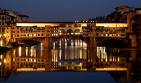
Florence keeps an exceptional artistic heritage, marvelous evidence of its secular civilization.
The works of great Italian art, Cimabue, Giotto, Brunelleschi, Donatello, Leonardo, Michelangelo, are gathered in numerous museums including the Uffizi, a key step for those visiting the Tuscan capital.
Great monuments are the landmarks florentine artistic culture: the Baptistry, the Duomo, the medieval churches, the public and private buildings, monasteries and cloisters, monasteries and the Certosa.
World Heritage Site recognized by UNESCO in 1982, the historic center of Florence, enclosed by a circle of paths traced over the old medieval walls, collects the most important cultural heritage of the city.
The old town can be appreciated in its entirety from the surrounding hills, especially by the Forte Belvedere, from the Piazzale Michelangelo with the Romanesque Basilica of San Miniato al Monte and the hills of Fiesole, which offers one of the most beautiful views of Arno valley.
giovedì 15 aprile 2010
Parking available in Florence at Hotel Mario's
Hotel Mario's doesn't get an own parking space. In the area where we are situated, in the heart of the city centre, it's not easy to find hotel with garage, but what we offer is a very good service with a parking just 50 metres far away from the Hotel. We have an agreement in place with Garage Palacongressi in piazza del Crocefisso, 1. They deal with the regularization of your entry into ZTL (Traffic Limited Zone), so allowing you to drive through the areas normally forbidden to not-authorized vehicles even if to get here at the Hotel you could pass from viale Lavagnini and then taking Via Santa Caterina d' Alessandria; this is not a ZTL area and you need no permission. Anyway, the parking will communicate automatically to the system that your car is allowed to drive in the centre of the city.The garage is located in a crucial point of Florence and it is controlled and safe, according to the currently European rules.There is a manual and automatic internal and external car wash, directly in the garage if you would require.
This is a fantastic service, you don't need to park far from where the Hotel is and is absolutely the private parking most cheap of the centre of the city.
Give a look to the information and when you'll be here at Hotel Mario's you know you can consider this option of Garage Palacongressi ( http://www.cb512parcheggi.it/ ). Hotel Mario's, in the heart of the beautiful city of Florence, Italy.
This is a fantastic service, you don't need to park far from where the Hotel is and is absolutely the private parking most cheap of the centre of the city.
Give a look to the information and when you'll be here at Hotel Mario's you know you can consider this option of Garage Palacongressi ( http://www.cb512parcheggi.it/ ). Hotel Mario's, in the heart of the beautiful city of Florence, Italy.
VASARI CORRIDOR


The Vasari Corridor (Italian: Corridoio Vasariano) is an elevated enclosed passageway in Florence, which connects the Palazzo Vecchio with the Palazzo Pitti. Beginning on the south side of the Palazzo Vecchio, it then joins the Uffizi Gallery and leaves on its south side, crossing the Lungarno dei Archibusieri and then following the north bank of the River Arno until it crosses the Ponte Vecchio. At the time of construction the Torre dei Mannelli had to be built around using brackets because the owners of the tower refused to alter it. The corridor covers up part of the façade of the chiesa di Santa Felicità. The corridor then snakes its way over rows of houses in the Oltrarno district, becoming narrower, to finally join the Palazzo Pitti. Most of it is closed to visitors.
The Vasari Corridor was built in 5 months by order of Grand Duke Cosimo I de' Medici in 1564, to the design of Giorgio Vasari. It was commissioned in connection with the marriage of Cosimo's son, Francesco, with Johanna of Austria. The idea of an enclosed passageway was motivated by the Grand Duke's desire to move freely between his residence and the government palace, when, like most monarchs of the period, he felt insecure in public, in his case especially because he had replaced the Republic of Florence. The meat market of Ponte Vecchio was moved to avoid its smell reaching into the passage, its place being taken by the goldsmith shops that still occupy the bridge. At the latter extremity, the corridor was forced to pass around the Mannelli's Tower, after the staunch opposition of that family to its destruction.
In the middle of Ponte Vecchio the corridor is characterized by a series of panoramic windows facing the Arno, in direction of the Ponte Santa Trinita. These replaced the smaller windows of the original construction in 1939, by order of Benito Mussolini.
After the Ponte Vecchio the Corridor passes over the loggiato of the church of Santa Felicita; at that point it had a balcony, protected by a thick railing, looking into the interior of the church, in order to allow the Grand Duke's family to follow services without mixing with the populace.
martedì 13 aprile 2010
Tonight semifinal vs Inter ( Coppa Italia )

Today we would like to talk about the Cup game Fiorentina, the local soccer team, is going to playing tonight vs Internazionale of Milan.
Firenze has a real passion for its team and all the city support with a great feeling the ViolaS. In Florence is almost impossible to find a person that is fan of another team.Usually in other cities people can be of a different team than the city he belongs to, but not here in Florence. Florence is Fiorentina. When you go to the bar or to some store, you often see people speaking about this club and Fiorentina's supporter are one of the hottest of all Italy.
Firenze has always supported the team, even when it was in the lower leagues because a real Florentine is not opportunist is constant with his love and so will be forever.
FORZA FIORENTINA, VINCI PER NOI!
lunedì 12 aprile 2010
Fiesole, a perfect day off Florence

If you're beginning to feel overwhelmed by Florence's churches and museums, or simply want to get away from the crowds for a while, take a break and visit Fiesole, the town perched on the hill just north of Florence. Getting there is easy, a short ride on the number 7 bus, and it can easily be explored in a morning.
Fiesole was once Florence's big brother, but now it's a sleepy hill-town visited by tourists. Ironically, their main reason for coming here is not to see Fiesole itself, but to admire the view over Florence. Fiesole's history goes back into the mists of time. As Faesulae, it was an important Etruscan town, commanding the Arno valley from its defensive heights. The Romans encouraged a new settlement, Florentia, on the plain by the river, to drain importance from Fiesole, and gradually Florence became the more important of the two towns. After various spats, the Florentines destroyed Fiesole in the 12th century, since when it has enjoyed quiet, insignificant independence. The local artist Fra Angelico lived and worked in the monastery of San Domenico before descending to San Marco in Florence. Its peace and fresher air made Fiesole a popular resort for rich Florentines who wanted to escape the heat, smells and crowds of the city, and many fine villas were built on the slopes around the town.
Here are the main sights and attractions:
* Piazza Mino - Fiesole's large main square was named after the sculptor Mino da Fiesole. It's ringed with cafes, restaurants, and shops. On one side is the pretty 14th century Palazzo Pretorio, the town hall, with coats-of-arms displayed on its facade.
* Cathedral - Cattedrale di San Romolo dates from the 11th century but has been modified several times. It has its original 13th century bell tower that can be seen from a long distance. Inside the cathedral are works by Mino da Fiesole and frescoes. The nearby Museo Bandini, Via Dupre 1, houses sacred works from the 14th and 15th centuries.
* Archaeological Area or Zona Archeologica - Fiesole's Archaeology park includes a partially restored 1st century BC Roman amphitheater, baths, and an Etruscan temple. There are Roman, Longobard, and Etruscan ruins and a museum with prehistoric, Etruscan, Roman, and Medieval artifacts. The entrance is on Via dei Partigiani, open at 9:30 and closed Tuesdays except in summer.
* Etruscan Walls - The Etruscans settled in Fiesole about 2000 BC, building the city of Faesulae, the most important city of the region before Roman times. They left their typcial huge Etruscan walls, which can be seen several places, the best being below the archaeological park on Via delle Mure Etrusche. There are a remains of two Etruscan tombs outside the Etruscan walls.
* Convento di San Francesco - The uphill walk is worth it for views of Fiesole, the hills, and sometimes even Florence. Take Via di San Francesco, the steep pedestrian-only street west of the Duomo. There's a Gothic church with Renaissance paintings and 14th century wooden choir stalls, built on the site of the ancient acropolis. On exhibit in the museum are local archaeological finds and a display relating to the friars missionary work in China and Egypt. Currently it's free (donations appreciated) and open daily. Below the convent is a large park.
* Sant' Allesandro Church, below San Francesco, was built in the 4th century over a pagan temple incorporating Roman materials into the building.
* San Domenico di Fiesole - San Domenico monastery can be reached by walking down the road (or taking the bus) toward Florence. Fra Angelico first entered the monastic world here and the 15th century church holds his Madonna with Angels and Saints and the chapterhouse also has Fra Angelico frescoes. Nearby is the Badia Fiesolana, Fiesole's ancient cathedral built in 1028, with its original Romanesque facade.
* Monte Ceceri - The quarries at Monte Ceceri outside Fiesole produce the famous Tuscan gray stone. There's also a nature park and a pillar with an inscription about Leonardo da Vinci's flight experiments.
The bus number 7 gets you from and to the train station Santa Maria Novella, exactly a couple of minutes walking from where Hotel Mario's is. It's fantastic that from where we are you can reach every nice place in or around the city. We just love to see your happy face when we indicate the distances you need to take to go to the Uffizi or to the Accademia or to the San Lorenzo Market. Visit Florence, stay at Hotel Mario's. www.hotelmarios.com info@hotelmarios.com
domenica 11 aprile 2010
Piazzale Michelangelo: a panoramic view


Piazzale Michelangelo is a famous square with a magnificent panoramic view of Florence, Italy and is a popular tourist destination in the Oltrarno district of the city. The view from this most famous observation point of the city landscape has been reproduced in countless postcards and snapshots over the years.
It was built in 1869 and designed by architect Giuseppe Poggi on a hill just south of the historic center, on completion of retraining of the left bank of the shore. From that fact, Florence was the capital of Italy and the whole city was involved in an urban renewal, the so-called rehabilitation, or the rebirth of the city middle class: they were created lungarni; on the right bank, instead of the fourteenth-century walls were open the avenues of the ring of a boulevard, on the left bank was traced, wind on the hill of San Miniato, the Viale dei Colli, a street tree overview 8 kilometers long, at whose climax the square was built as a terrace with a panoramic view inside the city. The chronicle of the early construction of the company has been described in detail by the Italian journalist Peter Ferrigno (known under the name of Yorick) that does not fail to report as a part of Florence is dispiacesse "for the excessive spending of the construction.
The square Michelangelo square, dedicated to the great Renaissance artist Michelangelo, has copies of some of his famous works in Florence: the David and the four allegories of the Medici Chapel of San Lorenzo. These copies are made of bronze, while the originals are all in white marble. The monument was brought up by nine pairs of oxen on 25 June 1873.
Poggi designed the loggia in the neoclassical style that dominates the whole terrace, which today houses a panoramic restaurant. Originally it was supposed to house a museum of works by Michelangelo, ever. In the wall of the balcony, under the loggia, an epigraph is a banner characters reminiscent of his work: Florentine architect Giuseppe Poggi turn around here is his monument MCMXI.
The panorama encompasses the heart of Florence from Forte Belvedere to Santa Croce lungarni through the bridges of Florence and in sequence, especially the Ponte Vecchio, are the Duomo, Palazzo Vecchio, the Bargello and the octagonal bell tower of the Badia Fiorentina, without forgetting opposed to the hills north of the city with the center and Settignano Fiesole.
The square can be accessed by car along the tree-Viale Michelangelo, made in those same years, or walk the stairs going up the ramps of the monumental Piazza Poggi Poggi in the district of San Niccolò.
giovedì 1 aprile 2010
Hotel Mario's an real idea of hospitality
How many times do you find fantastic luxury hotels, with the most modern technologies, the best view and the best service ? if you have the opportunity to pay a lot of money, you know what we are talking about.
How many times have you been in a nice cozy little Hotel, ran from real youngs Florentine guys, with the history in their blood, with a know-ledge of the secret of the city? how many times in the big and unreal hotels you felt only a number? too big, too less time to spend with clients, no way to have a relationship with the concierge or with the front desk.
Here at Hotel Mario's, a very old Hotel, with far origin, we instist without esiting, to follow the way of a style that is not studied, but it's inside ourself. Real,Florentine,authentic and charming place, near the railway station of Santa Maria Novella and close to the Fortezza da Basso, to the Palazzo dei Congressi and in the historical area of the Mercato Centrale ( central food market ). A terrific position where to start your walking tours through the city.
Contact us to require information, to be helped to plan your trip. Don't hesitate, write us : info@hotelmarios.com
We'll be glad to assist you in any occasion.
Ciao from Florence, a magic city
How many times have you been in a nice cozy little Hotel, ran from real youngs Florentine guys, with the history in their blood, with a know-ledge of the secret of the city? how many times in the big and unreal hotels you felt only a number? too big, too less time to spend with clients, no way to have a relationship with the concierge or with the front desk.
Here at Hotel Mario's, a very old Hotel, with far origin, we instist without esiting, to follow the way of a style that is not studied, but it's inside ourself. Real,Florentine,authentic and charming place, near the railway station of Santa Maria Novella and close to the Fortezza da Basso, to the Palazzo dei Congressi and in the historical area of the Mercato Centrale ( central food market ). A terrific position where to start your walking tours through the city.
Contact us to require information, to be helped to plan your trip. Don't hesitate, write us : info@hotelmarios.com
We'll be glad to assist you in any occasion.
Ciao from Florence, a magic city
lunedì 29 marzo 2010
Pasqua a Firenze / Easter in Florence

La Pasqua a Firenze è veramente una bella occasione,oltre che di visitare la città,anche di assistere ai numerosi "avvenimenti" della città:primo fra tutti lo scoppio del carro. Questa antica tradizione si ripete ogni domenica di Pasqua, di fronte al Duomo di Firenze ed è una delle cerimonie più antiche e suggestive della città.Da tempi antichissimi a Firenze si usava accendere un cero benedetto che, dalla chiesa di Santa Maria Sopra Porta veniva portato in processione al Battistero.
Dall' 850, per volere del Papa Leone IV, il Sabato Santo vennero distribuite a tutti i fedeli le fiaccole accese.
Alla prima crociata, voluta dal Papa Urbano II, partecipò il valoroso Pazzino de' Pazzi, il quale, dopo la conquista di Gerusalemme, ritornò a Firenze portando come reliquia, delle schegge di pietra del Santo Sepolcro, con le quali, da allora, si accende il cero benedetto che dà il via alla cerimonia religiosa.
I Pazzi hanno provveduto per secoli all'accensione del Santo Fuoco pasquale ed alla successiva gestione del Carro, fino alla metà del 1800, quando si estinse il ramo diretto della famiglia. Da allora, della gestione del Carro e della Manifestazione si occupa il Comune di Firenze.Per secoli il fuoco benedetto, portato anche in Cattedrale, servì per accendere il cero pasquale, i ceri del clero e del popolo, i lumi della chiesa nel Sabato santo.
Un carro recava la fiamma nuova anche nelle abitazioni e, prima di tutto, alle case dei Pazzi, che per lungo tempo conservarono questo privilegio, accanto all'onere di organizzare la cerimonia.
Il carro fu reso via via più fastoso ed invalse l'uso di "caricarlo" con polvere pirica, cui veniva dato fuoco (quasi certamente a partire dal 1494) una prima volta davanti al Battistero, come tuttora, ed una seconda al "Canto de' Pazzi", dove abitava quella consorteria. Questo ulteriore "scoppio" cessò agli inizi del 1900.
Durante il pontificato di Leone X° (Giovanni de'Medici, 1513-1521) venne utilizzata per la prima volta la "colombina", vale a dire un razzo a forma di colomba con un ramoscello di ulivo nel becco (evidente richiamo allo Spirito Santo, "che è Signore e dà la vita", nonché simbolo della pace pasquale). Al "Gloria" della S.Messa il diacono accende, col fuoco benedetto di cui sopra, la miccia della colombina. Essa, scorrendo su di un cavo che parte dal coro maggiore del Duomo, va ad incendiare il carro. "Scoppiano" così fuochi artificiali: mortaretti, girandole, razzi.
Al giorno d'oggi La cerimonia è preceduta da un lungo corteo: scortato da 150 fra armati, musici e sbandieratori del calcio storico fiorentino, il carro si muove dal piazzale di Porta a Prato , trainato da due paia di buoi infiorati ed arriva al solito posto, in piazza del Duomo, fra il Battistero e la Cattedrale. I buoi vengono prontamente staccati ed un più moderno filo di ferro, che sostituisce la corda sugnata, viene teso a circa sette metri di altezza, da una colonna di legno, posta per l’occasione al centro del coro, fino a giungere al carro.
Lo scoppio del carro è un momento sempre emozionante anche per le sorti della colombina. Dal Duomo viene dato fuoco alla miccia della colombina che, sibilando, va ad incendiare i mortaretti ed i fuochi d’artificio sapientemente disposti sul Brindellone: una volta incendiati gli artifici, la colombina deve tornare indietro all’Altare Maggiore, da dov’è partita, ripercorrendo da sola il percorso di andata. Il buon esito di questo “ritorno” è considerato di buon auspicio per tutto l’anno. Per la cronaca, l’ultima volta che la colombina fallì tale “rientro” fu il 1966, e a novembre ci fu l’alluvione.
In English :
On Easter Sunday morning, a historic pageant of musicians, flag-throwers and dignitaries in colourful Renaissance costume escort a tall wooden cart which is actually 500 yrs old, along the streets of Florence to the Cathedral square (Piazza del Duomo) and place it between the main door and the Baptistery (Battistero di San Giovanni), where the ‘Explosion of the Cart’ (Scoppio del Carro) festival is held. An event not to be missed and visited by tens of thousands of people form all over the world.
Tradition holds that the explosion of the Carro, called the Brindellone, goes way back to the semi-legendary exploits of Pazzino de’Pazzi, a Florentine warrior who was the first man to climb the walls of Jerusalem in July 1099, during the First Crusade. For this deed he received from his commander two shards of stone from the Holy Sepulchre, shards which were subsequently used to start an annual “holy fire” during Holy Week. This ritual fire used to be transported through the city as a religious relic for all to see.
By the Middle Ages this “holy flame” had come to be transported in a Carro, a simple carriage that transported a large candle through town on the 24 June, day of Saint John the Baptist, patron saint of Florence.
When: 04 Apr 2010
Where: Piazza del Duomo
Opening Hours: Procession 10am; explosion 11am
venerdì 26 marzo 2010
Train station in Florence : Santa Maria Novella

In the second half of the nineteenth century, railway stations were the most eloquent witnesses of the fruitful collaboration between the sciences, technology and art. Although the buildings were often beautifully and carefully designed (some even resembled basilicas), they were nonetheless difficult to integrate into the urban fabric. The station Maria Antonia, for instance, was erected withing the city walls, behind the church of Santa Maria Novella, thus opening a "new door" to the city. It was founded on 3 February 1848, and consisted of a number of separate buildings. The facade of the central building had four large round arches, which allowed one to see from the outside in, and vice versa, as if the architect had wished to emphasise the interpenetration of city and station. It had four tracks, and served as the point of departure of the Florence-Prato-Pistoia railway. The other Florentine Station, the "Stazione Leopolda", was also build in 1848. After the unification of Italy, the Station of Maria Antonia was rebaptised the Station of Santa Maria Novella. A new station was built during the 30s. “Maria Antonia” station was demolished to make way for the present station facing the church of Santa Maria Novella: a masterpiece of rationalist architecture, one of the finest expressions of the modern movement in Italian architecture.
Firenze Santa Maria Novella has amongst the most architecturally significant recent buildings of any Italian railway station.in 1932 a national competition was launched for the design of the new Travellers Building. It was won by the Tuscan Group of architects headed by Giovanni Michelucci and including Baroni, Berardi, Gamberini, Guarnieri and Lusanna. The station was opened in 1935: its chief features are the spacious entrance hall with its glass and steel roof structure and the main gallery, whose functional layout heralds the one later built in Roma. Its outer facings and finishings reflect the materials and colours of the city around it, while its interior is adorned with important artworks including sculptures by Italo Griselli and paintings by Ottone Rosai and Mario Romoli.
The plan of the building, as seen from above, was based on the fascio littorio, the symbol of Mussolini's fascist movement. The building is one of the key works of Italian modernism, but has little to do with the Italian Rationalism movement, being more strongly influenced by the Viennese architecture of Loos and Hoffman, with perhaps a nod to Wright; but it is the building's complete originality that makes it outstanding.While it is of a 'modern' design, the use of pietra forte for the station's stone frontage was intended to respond to and contrast with the nearby
Gothic architecture. It is a style of architecture which flourished during the high and late medieval period. It evolved from Romanesque architecture and was succeeded by Renaissance architecture of the church of Santa Maria Novella.
The train station is used by 59,000,000 people every year and is one of the most important in Italy.
It is at the northern end of the Florence–Rome direttissima, which was completed on 26 May 1992 and the southern end of the Bologna–Florence Direttissima, opened on 22 April 1934. A new high speed line to Bologna opened on 13 December 2009. The station is also used by regional trains on lines connecting to Pisa, Livorno, Lucca, Viareggio, Bologna and Faenza.
Hotel Mario's is just some metres far away from this beautiful train station and to get here is an easy walk from the station. You cannot imagine how close is. We are in a wonderful position, because off from the noisy of the around of every train station of the world.
giovedì 25 marzo 2010
The via Francigena

The Via Francigena is a historical itinerary leading to Rome from Canterbury, a major route which in the past was used by thousands of pilgrims on their way to Rome.This route bears witness to the importance of the practice of pilgrimage in medieval times; the pilgrim was to travel mostly on foot (for penitential reasons), covering about 20-25 Km a day,and was driven by a fundamentally devotional reason: the pilgrimage to the Holy Sites of Christianity.The road road is between Rome and Canterbury, passing through England, France, Switzerland and Italy.The Via Francigena was the major medieval pilgrimage route to Rome from the north; even today pilgrims travel this route, but in far fewer numbers than the Way of St. James (Camino de Santiago).
The Via Francigena is not just an important pilgrimage route concerning a large area of Italy, but its discovery represents a unique opportunity to get in touch with the places it runs through: an extremely rich heritage of culture, art, history, lovely natural spots and warm hospitality.he Way of Saint James originated and was supported as a defensive bulwark against Islam; the Via Francigena was just one of the many routes leading to Rome or, at most, the converging path of many different trails and during past centuries was never supported by political will. Stretches of the ancient trail have remained intact: in Castellonchio, a few miles before Berceto and nearby the pass of Monte Bardone or in Galleno (Tuscany) or, further South in Capranica, near Viterbo; here you can still walk through age-old hazel groves linked to the memory of Charlemagne and chivalric literature or on the grass-overrun paving stones of the Roman Via Cassia, which is still in perfect conditions in Baccano, near Rome.
IN TUSCANY
Today the Via Francigena enters Tuscany at the Cisa Pass in the area called Lunigiana north of Pontremoli and heads south toward Acquapendente in Latium passing through Lucca and Sienna. It is still possible to follow approximately the ancient road and to find refuge in most of the same villages mentioned by Sigeric. The route passes through four distinct geographical areas where the landscape, the building materials and the gastronomic traditions follow their own local traditions, occasionally still reflecting mediaeval influences.The first of these four areas begins at the Cisa Pass, the crossing point from the Region of Emilia Romagna into the Region of Tuscany, north of Pontremoli in the Appennine mountains, and follows the valley of the Magra river down to Aulla and Sarzana. This area is called Lunigiana, after the Roman port city of Luni.This area is characterised by castles, walled mediaeval villages and isolated monasteries, constructed primarily of the gray limestone found locally.The second area begins at Sarzana and goes past Lucca to Altopascio. The principal characteristic of this sector is that the road hugs the foot of the Appuan alps and stays inland from the sea coast. The main towns one sees are Sarzana, Carrara, Massa and Pietrasanta, all in the marble working area, and Camaiore which is the only village mentioned by Sigeric after Luni.The third sector is the longest segment of the Francigena and runs from Altopascio, down to Fucecchio, and on to Sienna passing through Castelfiorentino, Certaldo, Poggibonsi, San Gimignano and Monteriggioni before it arrives in Sienna. The fourth sector begins in Sienna and goes south to Abbadia San Salvatore.From Sienna south, the Via Francigena closely follows the Via Cassia, another of the old roman roads. Visits to Isola d'Arbia, Buonconvento, Montalcino, the Abbey of Monte Oliveto Maggiore and San Quirico d'Orcia are all worthwhile. However the last two stops of Sigeric, Bagno Vignoni and Abbadia San Salvatore, are the most spectacular. Bagno Vignoni is where for centuries people have gone for health cures because the sulphur water baths.
When you walk through Tuscany, why don't stop for some days in Florence? At Hotel Mario's you could enjoy some rest days and visit the city from a spectacular position.
We are waiting for all of you pilgrims and walkers.
mercoledì 24 marzo 2010
Rificolona Festival ( the Festival of lanterns )

Rificolona Festival, a traditional festival where each 7th of September children carry lanterns through the streets of the city.
The celebration takes its origin from the Middle Ages.Florentine children still get out their lanterns in the beginning of September and there are parties in the squares, with street theater and much merrymaking. The Festa della Rificolona is a major festival held every year in Florence and it is a tradition that dates back to the late Middle Ages. In those days, a big annual market was held in Florence at the beginning of September. In order to reach the city on time, farmers had to leave the countryside well before dawn. They used lanterns to light their way, creating a colourful cortege. City folk later transformed this ritual into a procession of lanterns which culminates in a big party far into the night. The procession starts from Piazza San Giovanni.
If you would like to see something very traditional and if you are here in Florence during the beginning of September, you'll surely enjoy this Festival.
venerdì 19 marzo 2010
Arno


The Arno is a river in the Tuscany region of Italy. It is the most important river of central Italy after the Tiber.
The river originates on Mount Falterona in the Casentino area of the Apennines, and takes initially a southward curve. The river turns to the west near Arezzo passing through Florence, Empoli and Pisa, flowing into the Tyrrhenian Sea at Marina di Pisa. With a length of 241 kilometers, it is the largest river in the region. Its main tributaries are: the Sieve (60 kilometers), Bisenzio (49 kilometers), Ombrone, Era, Elsa, Pesa and Pescia. The drainage basin amounts to more than 8,200 km² and drains the waters of the following sub-basins:
* The Casentino, in the province of Arezzo, formed by the upper course of the river until the confluence with the Maestro della Chiana channel.
* The Val di Chiana, a plain dried in the 18th century, which, until the 18th century, was a marshy area tributary of the Tiber.
* The upper Valdarno, a long valley bordered from East by the Pratomagno massif and from West by the hills around Siena.
* The Sieve's basin, which flows in the Arno immediately before Florence.
* The middle Valdarno, with the plain including Florence, Sesto Fiorentino, Prato and Pistoia.
* The lower Valdarno, with the valley of important tributaries such as the Pesa, Elsa and Era and in which, after Pontedera, the Arno flows into the Tyrrhenian Sea. The river has a very variable discharge, ranging from minimum values such as 6 m³/s to more than 2,000. The mouth of the river was once near Pisa, but is now several kilometres westwards.
It crosses Florence, where it passes below the Ponte Vecchio and the Santa Trìnita bridge (built by Bartolomeo Ammanati, but inspired by Michelangelo). The river flooded this city regularly in historical times, the last occasion being the famous flood of 1966, with 4,500 m³/s after a rain of 437.2 mm in Badia Agnano and 190 millimetres in Florence, in only 24 hours.
The flow rate of the Arno is irregular. It is sometimes described as having a torrent-like behaviour, because it can easily go from almost dry to near-flood in a few days. At the point where the Arno leaves the Apennines, flow measurements can vary between 0.56 m³/s and 3,540 m³/s. New dams built upstream of Florence have greatly alleviated the problem in recent years.
A flood on November 4, 1966 collapsed the embankment in Florence, killing at least 40 people and damaging or destroying millions of works of art and rare books. New conservation techniques were inspired by the disaster, but even 40 years later hundreds of works still await restoration.
giovedì 18 marzo 2010
Wifi connection at Hotel Mario's
Dear Guest, dear visitors,
Hotel Mario's is an hotel with a long history and is situated in the city centre of Florence, near the railway train station and the Duomo, in a very good position, even if you arrive from the airport; there is a shuttle bus every 30 minutes that takes 20 min. to get to Santa Maria Novella railway station; from there only 250 metres to get here.
Despite an ancient building, Hotel Mario's got the most modern technology and one of that is wifi connection for clients staying at our Hotel. We already had this option, but we have improved it with a very fast and safe connection for all the type of computers. From every room you can surf on internet with your personal computer.
Do you need to work? do you need to keep in touch with your friend in facebook? do you need to have information from the train schedule? Would you like to use Skype? At Hotel Mario's, no panic, no way. I know, Hotel Mario's
THE PLACE WHERE TO BE
Hotel Mario's is an hotel with a long history and is situated in the city centre of Florence, near the railway train station and the Duomo, in a very good position, even if you arrive from the airport; there is a shuttle bus every 30 minutes that takes 20 min. to get to Santa Maria Novella railway station; from there only 250 metres to get here.
Despite an ancient building, Hotel Mario's got the most modern technology and one of that is wifi connection for clients staying at our Hotel. We already had this option, but we have improved it with a very fast and safe connection for all the type of computers. From every room you can surf on internet with your personal computer.
Do you need to work? do you need to keep in touch with your friend in facebook? do you need to have information from the train schedule? Would you like to use Skype? At Hotel Mario's, no panic, no way. I know, Hotel Mario's
THE PLACE WHERE TO BE
mercoledì 17 marzo 2010
The Cathedral Squares goes Pedestrian

All traffic is now forbidden on the Cathedral square and next - by streets, with important changes to bus routes : the closest stops become Piazza San Marco, Piazza Stazione ( railway train station ), Piazza Antinori and the corner of via Oriuolo / via del Proconsolo.
Three electrical minibuses continue to connect the main touristic poles of the city centre.
It's absolutely beautiful walk in the Duomo area and enjoy the quieteness of the square. It's still busy, but instead of loudy cars, there are visitors, tourists, Florentines. Fantastic! The city centre is always been pedestrian friendly, but with this new big and important squadre, close for cars, it's everything changed.
We would need more areas pedestrian, but we cannot forget the resident centre population and give them the possibility to move themself easily in their city.
The illustration is by Leo Cardini
lunedì 8 marzo 2010
San Miniato, an unique and tremendous church

Walk up at the top of the hill of Piazzale Michelangelo and reach San Miniato al Monte a fascinating church of the XI Century.
St. Miniato was an Armenian prince serving in the Roman army under Emperor Decius.He was denounced as a Christian after becoming a hermit and was brought before the Emperor who was camped outside the gates of Florence. The Emperor ordered him to be thrown to beasts in the Amphitheatre where a panther was called upon him but refused to devour him. Beheaded in the presence of the Emperor, he is alleged to have picked up his head, crossed the Arno and walked up the hill of Mons Fiorentinus to his hermitage.The Basilica has an unfinished 15th century campanile that was damaged during the siege of Florence in 1530.The interior of this magnificent example of Florentine Romanesque architecture and the pavement in the centre of the Basilica includes marble intarsias representing the signs of the zodiac and symbolic animals.The beautiful Zodiac, which is originally a pagan motif, here assumes a Christian symbolic value, according to some, by its subdivision into twelve signs which allude to the twelve Apostles. The sacristy is decorated by a cycle of frescoes of Episodes from the life of Saint Benedict by Spinello Aretino (c. 1387). In 1447 Piero de’ Medici commissioned Michelozzo to build the chapel of the Crucifix, the little tempietto at the end of the nave.
Visit the place of ancient longing and hear the echoes of Gregorian Chants and perhaps you can even catch a wisp of incense from vespers. The fortitude of San Miniato al Monte Basilica in Florence Italy is resilient and ready to greet another ten thousand years of faithful fellowship. Whether you are on pilgrimage or a student of art and history, the Basilica is watching out over the Valley, awaiting your arrival.
From the centre is 30 minutes walking, but there are bus ( number 12 and 13 ) that goes there from the train station, even close to Hotel Mario's.If you are looking to be far from the crowd and chaos, go to rest there.
Iscriviti a:
Post (Atom)

 Post
Post

